How much do you know about the structure of a ball valve lockout device?
A ball valve lockout device generally includes a base, a cover hinged to the base through a rotating shaft, and a first chuck and a second chuck mounted on the base for fixing the handle. Corresponding lock holes and keyholes are provided on both the base and the cover. After the first and second chucks secure the circuit breaker handle, the cover is closed so that the base, the two chucks, the lock hole, and the keyhole overlap, preventing the cover from being opened.
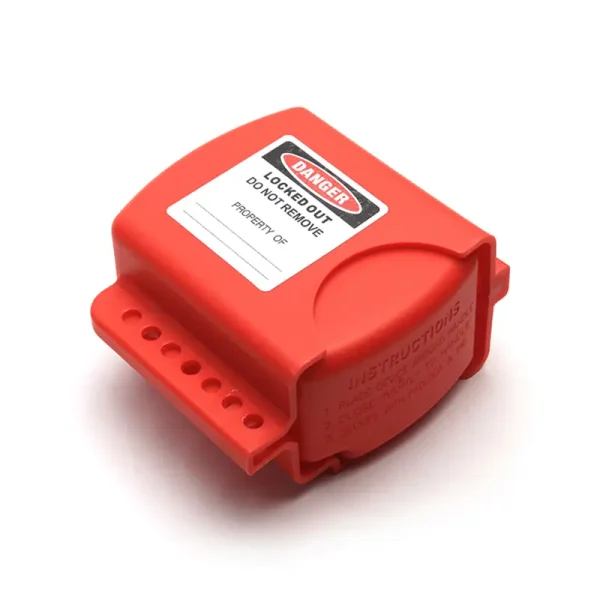
Ball Valve Lockout Device
As a result, the handle of the circuit breaker cannot be reversed, effectively preventing human error and improper operation. The sales manager must use a key to unlock the keyhole and the ball valve lockout device before the cover of the lock body can be turned back.
One of the existing technical problems is that the rotation of the adjusting screw used for reassembly drives the second chuck forward rather slowly. In addition, the second chuck must rotate the adjusting screw once before it can close the first chuck, which makes the installation of the ball valve lockout device time-consuming.


Comments
Post a Comment