Defects of Valve Locks and Their Solutions
The defects of valve locks and their solutions are as follows:
- Valves are control components in hydraulic transmission systems. They perform functions such as shut-off, regulation, diversion, prevention of backflow, pressure regulation, flow diversion, or overflow pressure relief.
- There are many different types, specifications, and models of valves used in fluid power automatic control systems, ranging from very simple stop valves to highly complex process control systems. Valves can be used to control gases, water, steam, various corrosive materials, slurry, oil, shape memory alloys, radioactive substances, and other types of fluid media.
- Valves can be classified into cast iron valves, cast steel valves, stainless steel valves (201, 304, 316, etc.), chromium-molybdenum steel valves, chromium-molybdenum-vanadium steel valves, duplex steel valves, plastic valves, and non-standard customized valve materials.
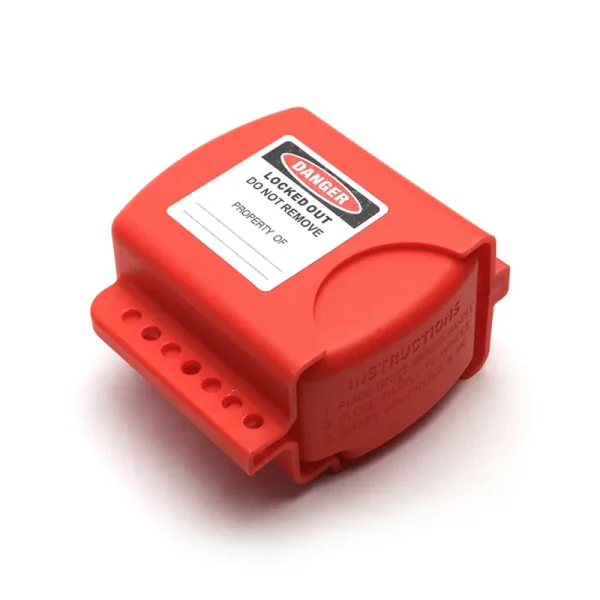
Valve Locks
Valves with locking devices are commonly used in water pipelines, heating pipe networks, or natural gas pipelines. Although the structures of locking valves differ, most of them use valve locks that are opened with keys. This method is relatively reliable. However, when a large number of valve locks are installed and the keys are managed by specialized personnel, the keys used for each valve cannot be universal, making standardized management very difficult and inconvenient.
As a result, various improvements have been developed. For example, a patented invention discloses a valve lock that includes an oil circuit plate installed inside the valve body, a valve core and valve seat used to open and close the oil circuit plate, and a detachable unlocking tool connected to the oil circuit plate. A locking column is arranged on the oil circuit plate, and the widened portion of the valve seat intersects with the locking column. The toe end of the valve seat extends beyond the locking column, while the inner end is connected to the valve core. A magnetic lock is arranged between the lock cylinders of the covers, restricting their relative rotation. A non-circular lock hole is drilled in the control center at the top of the valve seat, and the unlocking tool is equipped with an opening body matching the cross-sectional shape of the lock hole. The unlocking tool is also fitted with a permanent magnet capable of operating the magnetic locking device. The valve seat and lock cover are integrated into one structure.
This product utilizes the basic principle of collision between permanent magnets on the same horizontal plane. It offers strong adaptability, allowing all locking valves to be opened with a single unlocking tool. However, the rotation angle of the gate valve seat is limited to 90 degrees, which results in a relatively narrow range of applications.


Comments
Post a Comment