Valve Locking and the Reasons Behind It
A valve lock is a high-capacity, reliable, fully mechanical combination lock that operates without electronics. It works in a unique way, similar to dialing an old-fashioned telephone. The dial is first rotated clockwise to return to a specific number, then reset to the starting point before entering the combination.
To unlock, the last entered code must be repeated, followed by turning the dial counterclockwise from the starting position. During unlocking, an internal reset occurs. Once the dial is returned to the starting position, the correct combination must be re-entered to unlock the device. If the code is entered incorrectly, the dial can still be turned counterclockwise (a “false unlocking” action), which triggers an internal reset, allowing the user to re-enter the correct password.
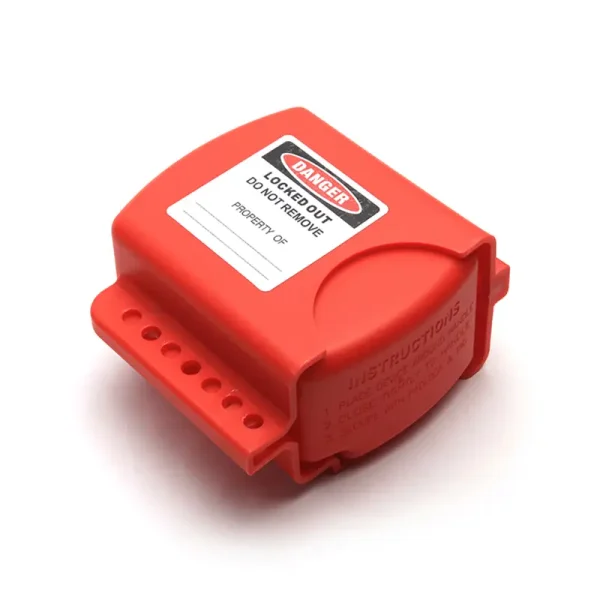
Locking Principle of the Valve
When the valve is locked, the mechanism works as follows:
There is a locking handle located above the damper on the right side. A long elastic rubber band is connected to the handle. The rubber strip of the valve lock is designed with an uneven surface that fits precisely into the gaps of the damping spring.
When the handle is moved, the uneven rubber surface engages with the gaps in the damping spring, preventing the spring from moving. This effectively locks the valve in place.
Hydraulic Locking Mechanism and Advantages
It is unclear whether other front forks use the same principle, but if not, hydraulic locking may occur. Those with a background in physics know that liquids are nearly incompressible. By closing the valve that controls the flow of brake fluid, the circuit is cut off, preventing backflow of the fluid.
Hydraulic locking offers an additional advantage: through the locking handle, the size of the valve opening can be adjusted in real time. This allows continuous regulation of the fluid flow rate, effectively controlling the extension performance of the front fork as well as rebound speed. In other words, it enables internal control over the fork’s rebound behavior.
How to Choose a High-Quality Valve Lock
When purchasing an anti-theft valve lock, many buyers face difficulties in selecting a high-quality product. Here are some key considerations:
First, identify the type of valve required. Valves include gate valves, disc valves, globe valves, and rotary valves. The appropriate valve lock should match the specific valve type.
Second, consider the material of the lock, which should be selected based on the working environment. For example, in dry, low-temperature, and non-corrosive environments, standard hardware locks may suffice, while harsher environments require more durable materials.
Third, choose reputable brands or authorized distributors with a long history and strong market presence. These suppliers typically offer better service, stable distribution networks, and reliable product quality, reducing the risk of disputes.
Fourth, check compliance with testing standards. Hardware locks are subject to strict international standards. Smaller manufacturers may cut costs by failing to meet these standards, whereas well-known brands usually comply fully.
Fifth, consider the diameter of the valve. Since valve sizes vary, the lock must be compatible with the valve’s dimensions.
Finally, inspect the product packaging and labeling. Ensure that all markings are complete, including standards, grade, manufacturer name, address, and production date. Verify that the materials are durable and that the labeling matches the actual product, avoiding exaggerated or misleading claims.
Common Types of Valve Locks
Valve locks serve as safety devices for valves, and there are several common types available:
- Ball valve locks: Used to secure ball valves and ensure their safe operation.
- Gate valve locks: Designed specifically for locking gate valves, providing enhanced protection.
- Butterfly valve locks: Suitable for most standard butterfly valves, helping prevent accidental operation and improving safety.
- Rotary valve locks: Applied to rotary valves for secure locking.
- Universal valve locks: Versatile locks that can be used across different valve types.
Each type serves a specific purpose, so selecting the correct lock is essential for ensuring operational safety and preventing accidents.


Comments
Post a Comment