Introduction to Valve Locks
Function:
A valve lock is a type of industrial safety lock designed to ensure that valve devices remain completely closed and in a safe state. When locked, it prevents the accidental operation of equipment that could lead to injury or death. Another important purpose of valve locks is to serve as a visible safety warning.
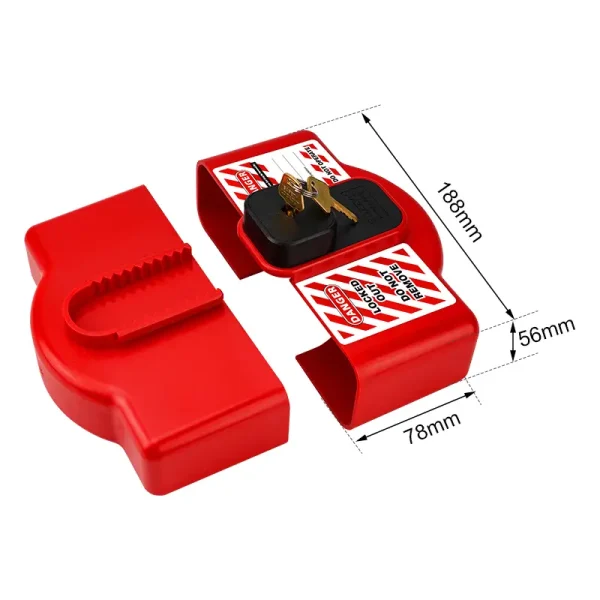
Types of Valve Locks:
Common types of valve locks include ball valve locks, butterfly valve locks, gate valve locks, plug valve locks, and universal valve locks.
- Ball valve locks are used to secure ball valves and ensure their safe operation.
- Gate valve locks are designed for gate valves to enhance their security and prevent accidental activation.
- Butterfly valve locks are suitable for butterfly valves of various sizes and help protect against accidental opening or closing.
Selection Guidelines:
Valve locks have only recently entered the domestic market. As a result, the quality of products on the market varies greatly. When choosing a brand or model, the following points should be considered:
- Choose reputable brands with a long history or authorized distributors. These companies usually have sufficient financial strength and reliable service networks to ensure product quality and after-sales support, reducing disputes caused by product defects.
- Match the lock to the valve type. Since valves include ball valves, butterfly valves, gate valves, and plug valves, the type of valve lock should correspond to the valve being secured.
- Select materials based on the working environment. Consider factors such as humidity, temperature, and exposure to corrosive substances (acid or alkali) when choosing the right lock material.
- Check safety standards. Both domestic and international regulations for hardware locks are strict. Small manufacturers may cut corners to save costs, while reputable brands typically comply with regulations.
- Consider valve dimensions. Different valves have different size requirements, so it is important to select a lock that fits the valve’s design and dimensions.
- Inspect packaging and labeling. Ensure that the valve lock’s packaging includes complete information such as standards, grade, manufacturer’s name, production address, and date. The packaging should be intact and consistent with the product specifications.
- Choose brands with reliable after-sales service. Reputable manufacturers often provide professional consultation and technical support to help select the most suitable lockout solutions.


Comments
Post a Comment